.svg)
Gestisci gli ordini in linea con i vincoli reali di approvvigionamento
Vai oltre i semplici software di gestione ordini basati solo sull'esecuzione. Allinea impegni d'ordine, priorità e decisioni di evasione con le previsioni della domanda, i target di magazzino e le reali disponibilità della supply chain.
Richiedi una demo.svg)
Impegni d'ordine realistici
Definisci promesse di consegna realistiche
.svg)
Promesse d’ordine basate sull’approvvigionamento
Impegni di consegna affidabili
Dai priorità agli ordini quando l’approvvigionamento è sotto pressione
Non tutti gli ordini meritano lo stesso trattamento.
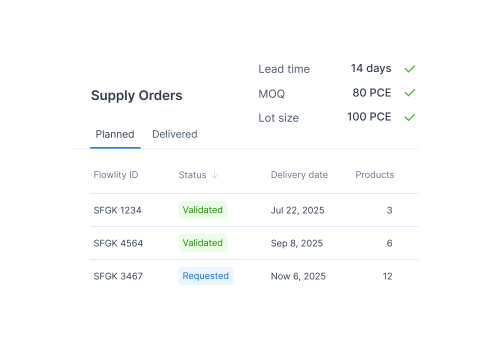
Prioritizzazione intelligente degli ordini
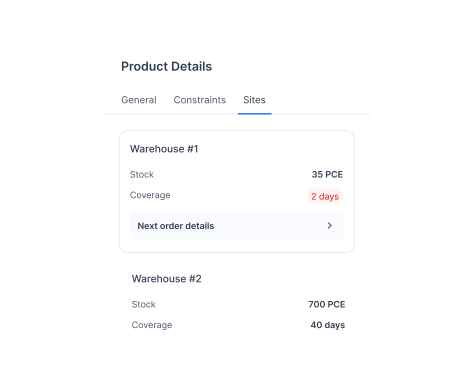
Gestione delle carenze e delle allocazioni
Collega la gestione ordini alla pianificazione della supply chain
Gli ordini non devono vivere in isolamento.
.svg)
Ordini allineati con i piani di domanda e inventario
.svg)
Gestione ordini guidata dalle decisioni
Da un OMS focalizzato sull’esecuzione a una gestione ordini guidata dall’approvvigionamento


Una gestione degli ordini di approvvigionamento più intelligente parte da una pianificazione più intelligente
Perché la maggior parte dei processi d'ordine fa perdere tempo ai planner

La maggior parte dei team Supply Chain conosce la sensazione: decine di ordini d'acquisto da revisionare ogni giorno, quasi tutti di routine, ognuno con un controllo manuale prima di partire. La causa profonda non è la mancanza di disciplina: è che il sistema tradizionale basato su ERP tratta ogni riassortimento allo stesso modo, che si tratti di un restock standard o di un impegno critico durante una rottura.
Questo approccio unico ha un costo reale. I planner si ritrovano sommersi da lavoro transazionale, a ricontrollare quantità che avrebbero potuto essere validate automaticamente. Nel frattempo, gli ordini che meriterebbero davvero attenzione (un fornitore in ritardo, un picco di domanda su un prodotto chiave, un rischio di margine su un impegno importante) ricevono lo stesso trattamento sbrigativo. Il problema non è il volume di ordini: è l'incapacità di distinguere ciò che conta da ciò che non conta.
I team che hanno già adottato un Supply Planning automatizzato scoprono spesso che mettere a posto il livello degli ordini è il passo naturale successivo: una volta che le previsioni e i target di stock sono affidabili, ha poco senso continuare a processare ogni ordine a mano.
A chi si rivolge la gestione degli ordini fornitori di Flowlity
La gestione degli ordini fornitori diventa strategica nel momento in cui il volume quotidiano di ordini di acquisto supera la capacità di analisi dei team di pianificazione. Flowlity è pensato per buyer e planner delle aziende mid-market di retail, distribuzione e industria manifatturiera, che gestiscono un ampio catalogo di referenze distribuite tra decine di fornitori con lead time e affidabilità eterogenei. Si adatta ai Demand Planner e ai Supply Chain Manager responsabili dell'allineamento tra previsioni di domanda, livelli target di stock e impegni d'ordine, che non possono più permettersi di validare ogni riga manualmente. Supporta anche i direttori Supply Chain e i COO delle PMI che vogliono riprendere il controllo del flusso fornitori senza lanciare un progetto di trasformazione pesante né sostituire il proprio ERP.
It fits Demand Planners and Supply Chain Managers responsible for keeping demand forecasts, target inventory levels and order commitments aligned, who can no longer afford to validate every line manually. It also supports Supply Chain directors and COOs in mid-market companies who want to regain control of the supplier flow without launching a heavy transformation project or replacing their ERP.
I punti dolenti sono strutturali. I team passano le giornate ad approvare ordini di acquisto di routine generati dall'ERP, senza alcuna gerarchia tra un riapprovvigionamento standard e un impegno critico. Le promesse di consegna si basano su regole di disponibilità statiche che ignorano lo stato reale dello stock in arrivo. Quando un fornitore viene meno, l'allocazione avviene caso per caso in un foglio di calcolo, fuori dal sistema. I planner restano assorbiti dal lavoro transazionale invece di arbitrare le eccezioni ad alto impatto. Una gestione moderna degli ordini fornitori deve trasformare queste situazioni in eccezioni segnalate dallo strumento, non nella routine quotidiana.
Cosa cercare in una soluzione moderna di gestione degli ordini
Integrazione con la pianificazione
Non tutti gli strumenti di gestione ordini sono uguali. Alcuni si concentrano solo sui flussi di Purchase Order (approvazioni, instradamento, comunicazione con i fornitori) senza toccare la logica che decide cosa ordinare e quando. Altri vivono dentro l'ERP e ne ereditano la rigidità: punti di riordino fissi, lead time statici, nessuna sensibilità a ciò che sta realmente accadendo sulla domanda.
Il vero elemento differenziante è se la soluzione collega la gestione degli ordini Supply Chain al livello di pianificazione. Può integrare le ultime previsioni di domanda nel calcolo delle quantità? Adatta la variabilità dei lead time fornitore? È in grado di incorporare la logica MRP o DRP invece di operare in silo?
Scalabilità
Conta anche la scalabilità. Molte aziende mid-market della distribuzione wholesale o del manifatturiero iniziano automatizzando i fornitori principali e si rendono presto conto di aver bisogno della stessa intelligenza sull'intero portafoglio. Una soluzione che richiede mesi di configurazione per fornitore non reggerà il ritmo. Nel retail in particolare, dove la proliferazione degli SKU e le oscillazioni stagionali aggiungono pressione costante, seguire buone pratiche consolidate per automatizzare la Supply Chain retail può fare la differenza tra scalare con fluidità e annegare in aggiustamenti manuali.
Automatizzare la routine, concentrarsi su ciò che conta
Il maggiore guadagno di produttività non arriva accelerando l'elaborazione degli ordini: arriva eliminando l'elaborazione superflua. Quando un riassortimento è semplice (domanda stabile, fornitore affidabile, quantità standard), non c'è motivo per cui un planner debba dedicarci tempo. Va calcolato, validato e inviato in modo automatico.
Ciò di cui i planner hanno davvero bisogno è un sistema che faccia emergere solo le eccezioni: un ordine il cui impegno supera una soglia di margine, un fornitore le cui performance recenti suggeriscono un rischio, un prodotto la cui domanda si è spostata in modo significativo rispetto all'ultimo piano. È lì che il giudizio umano genera valore, non nel timbrare meccanicamente PO di routine.
È questa la logica dietro la gestione per eccezioni. Piattaforme come Flowlity usano agenti IA per coprire il ciclo completo degli ordini standard e segnalano i pochi che meritano attenzione. La dashboard del planner diventa una cabina di pilotaggio decisionale, non una coda di processing.
Plum Living, brand di arredamento che gestisce 630 SKU su due magazzini, lo ha sperimentato in prima persona: dopo aver sostituito la gestione manuale via spreadsheet con Flowlity, ha ridotto lo stock del 21 % al go-live, e nel tempo il valore del suo inventario è sceso del 38 %.
Ordini che riflettono la realtà della Supply Chain
Uno dei problemi più frequenti nella gestione tradizionale degli ordini Supply Chain è che le quantità d'acquisto sono scollegate dalla realtà operativa. I punti di riordino sono stati impostati sei mesi fa. I livelli di safety stock non riflettono i recenti spostamenti di domanda. I lead time fornitore registrati nel sistema non corrispondono a ciò che si osserva sul campo.
Il risultato? Ordini tecnicamente "in tempo" ma strategicamente sbagliati: troppo di un prodotto, poco di un altro, e una quotidianità passata a tamponare i gap. Come ha mostrato la ricerca sulla pianificazione e riassortimento collaborativi, le organizzazioni più efficaci sono quelle che allineano esecuzione e pianificazione, non quelle che le ottimizzano separatamente.
Flowlity risponde a questo generando ogni ordine a partire da dati vivi: previsioni di domanda guidate dall'IA, livelli di safety stock ottimizzati, visibilità in tempo reale sullo stock di tutta la rete e distribuzioni dei lead time fornitore. L'ordine non viene semplicemente piazzato: è correttamente dimensionato, correttamente posizionato nel tempo e allineato con ciò che la tua Supply Chain può davvero sostenere.
Saint-Gobain Sekurit lo ha sperimentato su larga scala: gestendo oltre 10 000 referenze di vetro per automotive su 30 centri di distribuzione e 3 stabilimenti, ha portato la disponibilità prodotto dal 95,8 % al 97,2 % riducendo al contempo l'inventario del 9,25 %, perché ogni ordine si appoggiava finalmente a previsioni IA precise invece che a parametri obsoleti.
Come Flowlity trasforma la gestione degli ordini
Un ordine pensato a partire dalla pianificazione
Flowlity non si limita ad aggiungere un layer di ordini sopra il tuo ERP: ripensa il processo dal lato della pianificazione. I Purchase Order vengono generati dallo stesso strumento che produce le tue previsioni di domanda e i tuoi target di stock, il che garantisce che ogni ordine sia coerente con la tua strategia Supply Chain complessiva.
Routine automatizzata, eccezioni segnalate
Per i riassortimenti di routine il ciclo è completamente automatizzato: Flowlity calcola la quantità ottimale, la valida rispetto alle regole di business e la invia al fornitore. I planner vedono questi ordini solo se viene attivato un alert. Per le situazioni complesse (approvvigionamento vincolato, impegni ad alto valore, lanci di nuovi prodotti), il sistema presenta i trade-off in una dashboard chiara per decidere con sicurezza.
Un impatto concreto
L'impatto è tangibile. Camif, pure player e-commerce impegnato nell'ecodesign, ha assorbito il 44 % di crescita di fatturato senza aggiungere una sola persona al team Supply Chain dopo l'implementazione di Flowlity. Le rotture di stock sono calate di 6 punti, liberando circa 40 000 € di ricavi annuali aggiuntivi, e il team ha risparmiato l'equivalente di un FTE solo sulla gestione degli ordini. Non si tratta di togliere il planner dal processo, ma di assicurarsi che il suo tempo vada dove crea davvero valore.
Partire senza lanciare un progetto di trasformazione
Ciò che spesso frena le aziende è il timore di un'implementazione lunga e complessa. Le piattaforme di ordering enterprise richiedono spesso mesi di configurazione, risorse IT dedicate e una personalizzazione profonda dell'ERP prima di portare il minimo risultato.
Flowlity adotta un approccio diverso. La piattaforma si connette al tuo ERP esistente (SAP, Oracle, Microsoft Dynamics e altri) e può andare in produzione in settimane. Non serve sostituire i sistemi attuali: Flowlity li affianca, arricchendo il tuo processo d'ordine con un'intelligenza di pianificazione che il tuo ERP semplicemente non ha.
Questo lo rende particolarmente adatto ai team mid-market che hanno bisogno di risultati rapidi. Che tu sia un distributore wholesale che gestisce migliaia di SKU o un produttore industriale alle prese con reti complesse di fornitori, puoi iniziare dai flussi più critici e ampliare la copertura progressivamente, al tuo ritmo.
E una volta che i planner recuperano le ore che dedicavano al processing degli ordini di routine, possono reinvestire quel tempo dove davvero genera performance: migliorare le condizioni con i fornitori, preparare i picchi stagionali, gestire le disruption in modo proattivo e contribuire alle discussioni S&OP con analisi concrete e basate sui dati. Per le organizzazioni che vogliono passare da un'esecuzione reattiva a una pianificazione proattiva guidata dall'IA, ottimizzare la gestione Supply Chain e degli ordini è uno dei punti di partenza con il ROI più alto, e con Flowlity uno dei più rapidi da implementare.
FAQ
Find everything you need to know right here.
Cos'è un software di gestione degli ordini ai fornitori?
Un software di gestione degli ordini ai fornitori è un sistema che automatizza e ottimizza la creazione, la validazione e il monitoraggio degli ordini d'acquisto inviati ai fornitori. Copre l'intero ciclo di vita dell'ordine — dal calcolo dei fabbisogni di riapprovvigionamento all'invio degli ordini e al monitoraggio delle consegne. Le soluzioni avanzate vanno oltre la gestione transazionale collegando gli ordini alle previsioni di domanda, alle politiche di scorte e alla pianificazione della Supply Chain per assicurare che ogni ordine sia allineato con le reali esigenze aziendali.
Qual è la differenza tra gestione degli ordini e procurement?
Il procurement copre l'intero processo strategico di ricerca fornitori, negoziazione e gestione delle relazioni con i fornitori. La gestione degli ordini si concentra specificamente sul livello esecutivo: generare ordini d'acquisto, monitorare l'evasione e gestire le eccezioni. Mentre il procurement determina da chi acquistare e a quali condizioni, la gestione degli ordini determina quando, quanto e con quale efficacia vengono eseguiti tali ordini. Le piattaforme Supply Chain moderne integrano entrambi per garantire che le strategie di acquisto si riflettano in ogni decisione d'ordine.
Gestione degli ordini ai fornitori vs. MRP tradizionale: qual è la differenza?
Il MRP tradizionale (Material Requirements Planning) calcola quali materiali sono necessari basandosi sulle distinte base, sui programmi di produzione e sui livelli di scorte. Genera suggerimenti d'ordine, ma la logica è deterministica e non tiene conto della variabilità della domanda, dell'affidabilità dei fornitori o delle posizioni di scorte in tempo reale nelle diverse sedi. Un software di gestione degli ordini ai fornitori va oltre applicando un'ottimizzazione guidata dall'IA, automatizzando gli ordini di routine e segnalando le eccezioni — trasformando i fabbisogni grezzi di materiali in decisioni d'acquisto intelligenti e orientate all'approvvigionamento.
Qual è la differenza tra gestione degli ordini di approvvigionamento e order-to-cash?
L'order-to-cash (O2C) copre il lato vendite: dalla ricezione di un ordine cliente alla fatturazione e all'incasso. La gestione degli ordini di approvvigionamento si colloca lato acquisti: gestisce gli ordini d'acquisto inviati ai fornitori per rifornire le scorte e soddisfare la domanda. Sebbene entrambi coinvolgano flussi di lavoro legati agli ordini, servono estremi opposti della Supply Chain. Le aziende hanno bisogno di entrambi per funzionare correttamente, ma l'intelligenza di pianificazione richiesta lato approvvigionamento — collegare gli ordini alle previsioni, alle scorte di sicurezza e ai vincoli dei fornitori — è fondamentalmente diversa dall'ottimizzazione dei processi O2C.
Come automatizza Flowlity la gestione degli ordini ai fornitori?
Flowlity utilizza l'IA per generare ordini d'acquisto ottimali basati sulle previsioni di domanda, sugli obiettivi di scorte e sui dati dei tempi di consegna dei fornitori. Gli ordini di riapprovvigionamento di routine vengono calcolati, validati e inviati automaticamente — senza revisione manuale. Gli ordini che superano soglie definite (impatto sui margini, rischio di approvvigionamento, anomalie di volume) vengono segnalati come eccezioni per la revisione del planner. Questa automazione copre l'intero ciclo dalla proposta d'ordine all'invio al fornitore, permettendo ai planner di concentrarsi unicamente sulle decisioni che richiedono competenza umana.
Flowlity può collegare la gestione degli ordini alle previsioni di domanda?
Sì — è un differenziatore chiave. A differenza degli strumenti autonomi di gestione ordini che si basano su punti di riordino statici, Flowlity collega ogni ordine d'acquisto alle sue previsioni di domanda alimentate dall'IA e al suo motore di ottimizzazione delle scorte. Ciò significa che le quantità e i tempi degli ordini riflettono la domanda realmente attesa, i livelli di confidenza delle previsioni e gli obiettivi di scorte di sicurezza piuttosto che regole fisse stabilite mesi prima. Il risultato: ordini sistematicamente ben dimensionati, che riducono sia le rotture di stock che le scorte in eccesso.
Quali tipi di aziende beneficiano maggiormente della gestione degli ordini ai fornitori basata sull'IA?
La gestione degli ordini ai fornitori basata sull'IA genera il massimo impatto per le aziende mid-market nel retail, nella distribuzione all'ingrosso e nel manifatturiero che gestiscono un elevato numero di referenze con molteplici fornitori. Queste organizzazioni dispongono generalmente di team di pianificazione ridotti che dedicano troppo tempo agli ordini di routine, lasciando poca capacità per il lavoro strategico. Le aziende che gestiscono domanda stagionale, tempi di consegna lunghi o variabili, o rifornimento multi-sito complesso ottengono risultati particolarmente significativi — realizzando spesso riduzioni sostanziali delle scorte migliorando al contempo i livelli di servizio.